
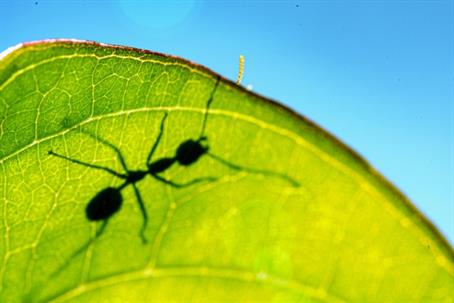
Few household pests appear as suddenly or as persistently as ants. One moment, the kitchen looks spotless; the next, a steady trail of tiny invaders winds across the counter. While ants are small, the colonies behind them can be massive, making them more difficult to eliminate than a visible line.
For homeowners researching solutions, knowing what attracts ants and how to manage infestations is the first step toward lasting control. Below are some of the best strategies for preventing ants from taking over your space.
The Best Ways to Reduce Ant Activity in Your Home
1. Eliminate Food Sources
Ants are constantly searching for food. Even small crumbs or sticky residues can attract an entire trail of foragers.
Helpful habits include:
Wiping counters and surfaces regularly
Sealing pantry items in airtight containers
Cleaning up spills immediately
Taking out trash frequently
Sugary foods and grease are two of the most common attractants, especially in kitchens.
2. Seal Entry Points Around the Home
Ants are remarkably skilled at finding entry points. Tiny gaps around doors, windows, pipes, and foundation cracks can serve as open invitations.
Homeowners often benefit from:
Sealing cracks in walls and foundations
Repairing damaged weather stripping
Closing gaps around utility lines
Reducing these access points makes it harder for scout ants to lead the rest of the colony indoors.
3. Address Moisture Issues
Moisture attracts many insects, including certain ant species. Damp areas provide shelter and access to water.
Check areas such as:
Under sinks
Around appliances
Basements and crawlspaces
Exterior drainage zones
Fixing leaks and improving ventilation can help make your home less attractive to pests.
4. Manage Outdoor Conditions
Many ant infestations begin outdoors. Landscaping features and debris can create ideal nesting environments near the home.
Consider:
Keeping firewood stacked away from structures
Trimming vegetation touching exterior walls
Removing yard debris and leaf piles
Monitoring ant activity around foundations
Reducing outdoor nesting sites lowers the chances of ants migrating indoors.
5. Know When Professional Help May Be Needed
Ants can be persistent, especially when colonies are large or hidden within walls, soil, or wood structures. While surface treatments may temporarily remove visible ants, they may not affect the colony itself.
Professional pest control services evaluate the full scope of the issue: identifying nesting areas, entry routes, and species-specific behavior to create a more comprehensive management approach.
Small Ants, Big Colonies
One key detail many homeowners overlook is the size of ant colonies. Some species can contain thousands, or even tens of thousands, of workers. What appears to be a minor nuisance inside the home may represent only a fraction of the colony’s population.
That’s why long-term control often focuses on the source of the infestation rather than the ants that are immediately visible.
How Midstate Termite & Pest Control Helps Address Ant Problems
When ants invade, it’s rarely just a surface issue. What appears as a handful of insects indoors often traces back to a thriving outdoor colony. Midstate Termite & Pest Control helps homeowners identify where ants originate, how they enter the home, and what conditions may be encouraging them to stay.
Professional insight matters because different ant species exhibit distinct behaviors. Carpenter ants, pavement ants, and odorous house ants each require different management strategies. Identifying the species allows for targeted solutions rather than temporary fixes.
If ants are appearing in your home and you’re unsure where they’re coming from, professional insight can help. Call Midstate Termite & Pest Control today at (931) 286-7245 or contact us online to learn more about pest control options.